
Dedicated Precision Facility
Advanced grinding, inspection, and process control for DIN AA/AAA gear tooling.
Gear cutting tool
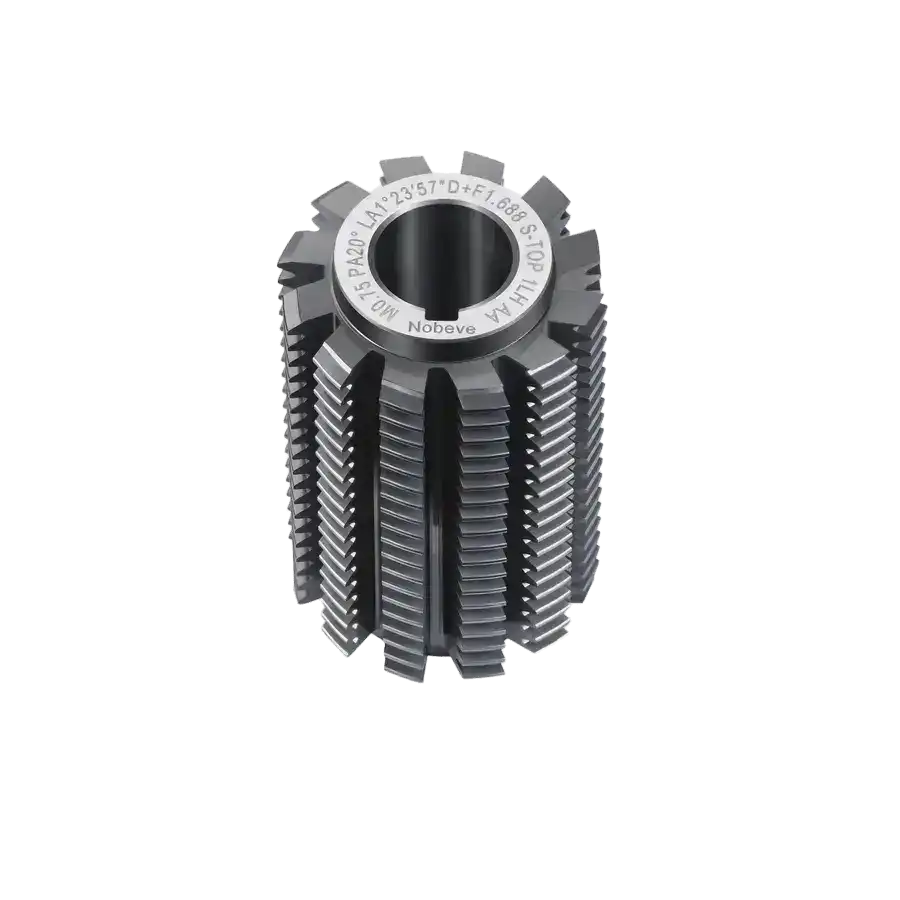
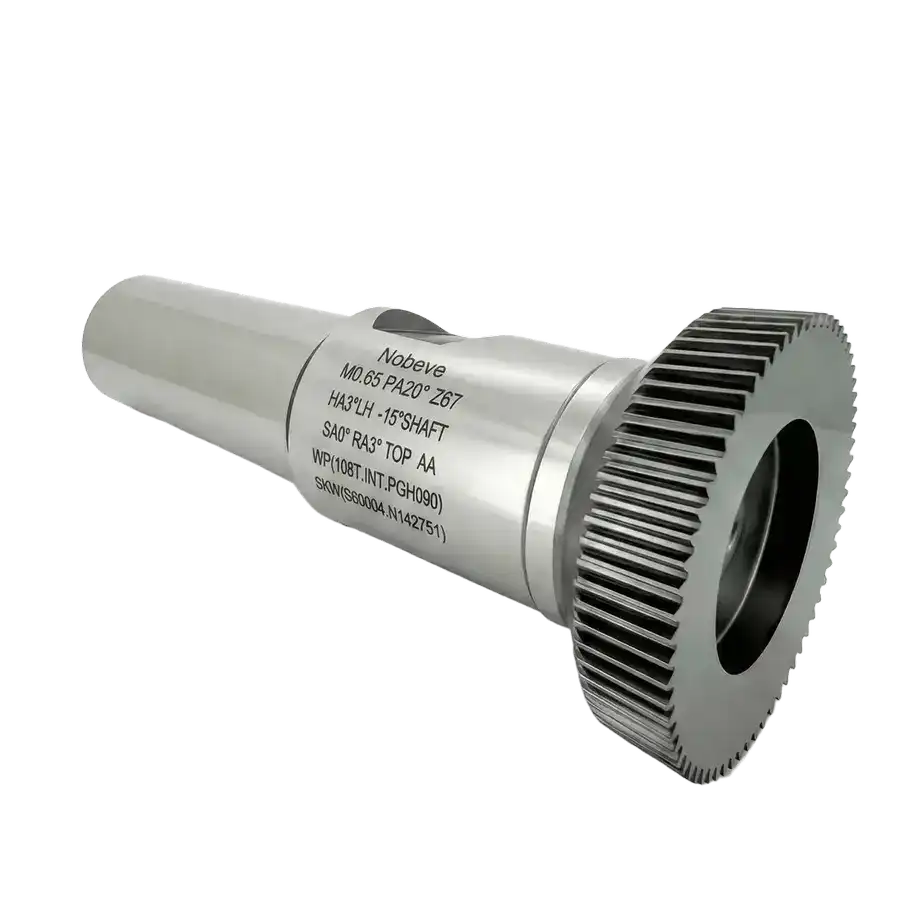
Finishing hardened gears doesn't always require expensive grinding machines. The Nobeve G-Series is engineered to cut steels up to 62 HRC, delivering DIN AAA quality directly after heat treatment. By combining high-toughness carbide with negative rake geometry, we turn your hobbing machine into a finishing powerhouse.
Nobeve Tool
Finishing hardened gears doesn't always require expensive grinding machines. The Nobeve G-Series is engineered to cut steels up to 62 HRC, delivering DIN AAA quality directly after heat treatment. By combining high-toughness carbide with negative rake geometry, we turn your hobbing machine into a finishing powerhouse.
Our strengths
Advanced grinding, inspection, and process control for DIN AA/AAA gear tooling.

Reliable replacement strategies that reduce cost per part without giving up precision.

Responsive planning for standard tools, custom projects, and urgent production needs.

Application guidance for cutting parameters, tool selection, and troubleshooting.
Technical focus
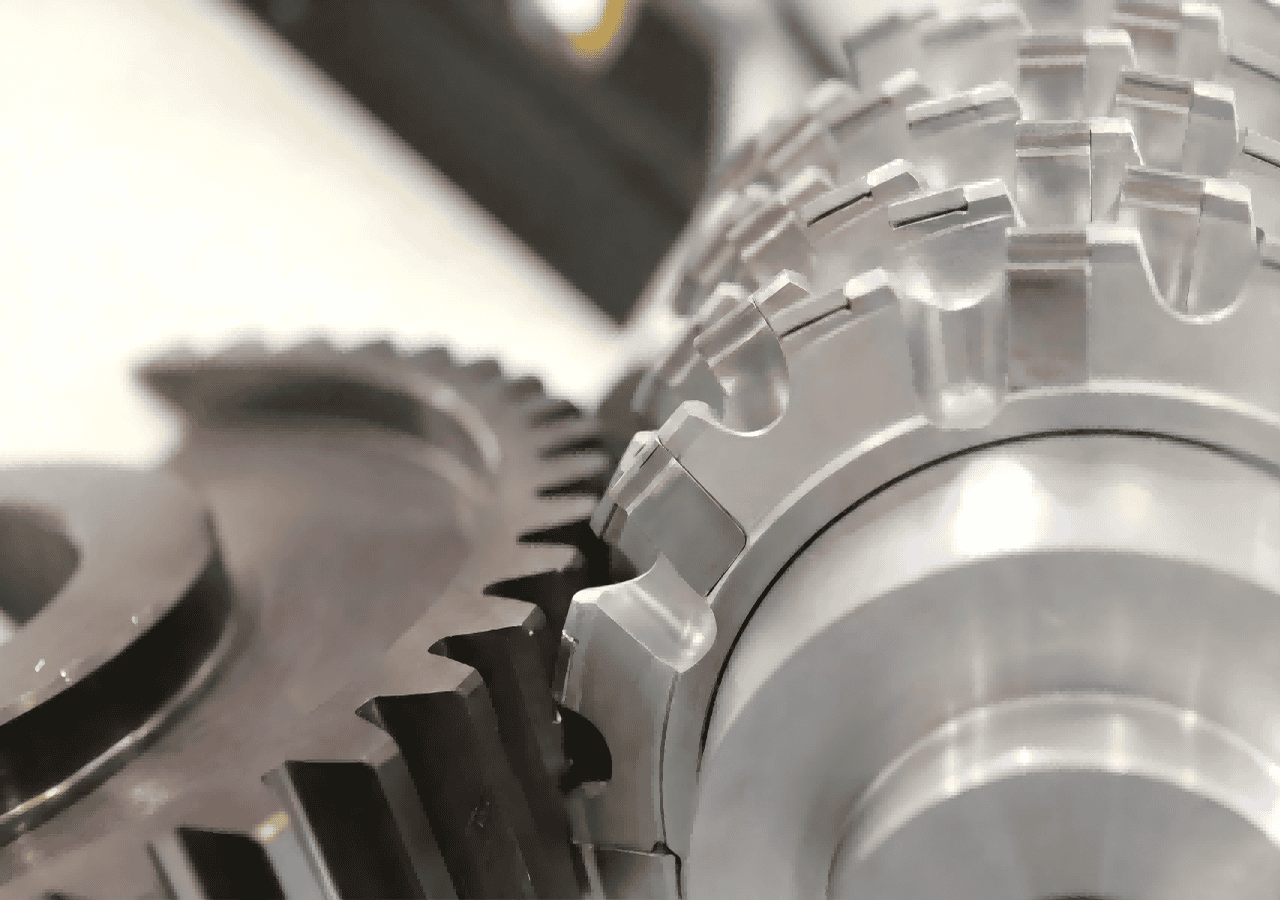
Finishing hardened gears doesn't always require expensive grinding machines. The Nobeve G-Series is engineered to cut steels up to 62 HRC, delivering DIN AAA quality directly after heat treatment.
Anchored by Konrad Friedrichs sub-micron carbide, this material delivers exceptional Transverse Rupture Strength (TRS), resisting micro-chipping even when machining hardened steels (up to HRC 62) under high load.
Coated with Oerlikon Balzers BALINIT® ALTENSA for extreme hot hardness. It enables aggressive speeds (Vc up to 220 m/min) by acting as a barrier that forces heat into the chips, not the tool.
The G-Series features a thermal barrier optimized for HRC 45-62 materials to maximize durability. Fewer tool changes and longer production runs directly lower your consumable cost per part.
The extended tool life in HRC 62 steel significantly lowers tool change frequency. This reduces your need for large safety stocks, freeing up working capital and simplifying your monthly procurement cycles.
Expert Technical FAQ
The G-Series is engineered to process steels up to HRC 62 (e.g., case-hardened 20CrMnTi or 8620H) . Unlike standard carbide hobs that wear rapidly above HRC 48, the G-Series utilizes a specific Fine-Grain High-Toughness Substrate combined with a zero rake geometry or negative rake geometry to withstand high compressive loads without catastrophic breakage.
For gears requiring DIN 6 to DIN 7 quality and surface roughness of Ra ≥ 0.4µm, the answer is YES. Hard hobbing with the G-Series removes heat-treatment distortion significantly faster than grinding—reducing cycle time by 50-70%. However, for extreme precision (DIN 4-5) or profiles requiring Ra < 0.3µm, grinding remains the standard.
We strictly recommend Oil Cooling (Wet Cutting) for the G-Series. While our K-Series is for dry cutting, the G-Series utilizes a zero rake angle or negative rake angle to “push” hard material. High-quality cutting oil is essential here to: Lubricate the cutting edge to reduce friction heat. Flush away the abrasive hard chips immediately to prevent re-cutting. Achieve a superior “grinding-like” surface finish (Ra) that dry cutting cannot easily match on hard steel.
Chipping usually occurs because standard hobs have a positive rake angle (sharp but brittle). The G-Series features a Zero Rake Angle or Negative Rake Angle (0° to -15°) and a reinforced K-Land (Edge Honing). Instead of “shearing” the metal aggressively, this geometry directs the cutting force into the solid body of the tool, massively improving edge stability during interrupted cuts.
Hard hobbing generates cutting forces 2.5x higher than soft hobbing. You cannot run G-Series on older manual machines with backlash. We recommend rigid CNC Hobbing Machines (Direct Drive spindles preferred) with a rigid tailstock. The use of oil cooling also requires the machine to have an adequate filtration system to keep the cutting fluid clean from fine hard chips.
We use Oerlikon Balzers BALINIT® ALTENSA (or equivalent AlCrN-based coatings) . Even with oil cooling, the temperature at the cutting tip is extreme. This coating offers high hot hardness and excellent oxidation resistance, ensuring the substrate remains protected even under the heavy load of hard machining.
To save you shipping time and customs costs, we do not recommend sending hobs back to us. Instead, Nobeve provides a full “Refurbishment Technical Data Package” with every G-Series order. This includes the exact DXF profile, Edge Preparation (Honing) parameters, and Coating specs. You can simply provide this data to your local tool service center (e.g., a local Balzers or coating center) to restore the hob to Nobeve factory standards.
For external gears, Hard Hobbing with the G-Series is significantly more cost-effective. A solid carbide hob costs a fraction of a complex Skiving cutter and is easier to maintain. Power Skiving is superior for internal gears. But for standard external shafts/gears, G-Series Hard Hobbing offers the lowest Cost Per Part (CPP) and leverages your existing hobbing machines without needing expensive Skiving options.
Related tools
Testimonials

Klaus W.
Owner Precision Machining
“As a mid-sized shop, we don't have a grinding machine. The G-Series lets us finish hardened prototype gears (HRC 60) on our existing hobber. It solves a huge investment problem for us.”

Carlos R.
Production Supervisor Hydraulic Industry
“We use these for pump gears. The main advantage is the toughness—the cutting edge doesn't chip easily on 20CrMnTi materials. Delivery and technical support were also very responsive.”

Somchai T.
Plant Manager Motorcycle Industry
“We produce motorcycle transmission gears in high volume. Switching to the G-Series allowed us to replace expensive Japanese tools while maintaining the same noise standards.”
Get a quote for gear tools now