








Precision at the Micro Scale: Zero Burrs, Absolute Accuracy
Specialized micro-module tooling for the instrument and metering industry. Ensuring smooth operation for millions of cycles in brass and alloy components.

Nobeve Provide Awesome Gear Tools
With Best Service

Industry Overview
The Art of Micro-Motion
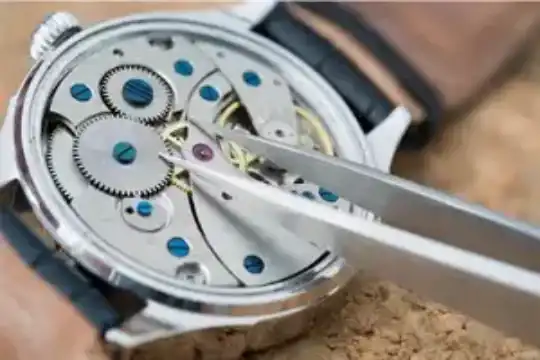
Instrumentation gears are central to measurement accuracy. Tiny profiles (module m < 0.5) must operate with minimal friction; any resistance causes errors. Expertise in micro-machining ensures burr-free solutions for four core precision sectors in this industry.

Fluid or current movements translate into readings through brass or plastic gears. These components prioritize superior surface finishes and minimal friction coefficients to ensure measurement sensitivity and longevity in residential meters.
Critical Part: Brass spur gears, worm shafts, register gears.
Industry Insight
Engineering Challenges in the Field
The "Burr" Problem
When machining soft materials such as brass or aluminum alloys, if the tool’s cutting edge is not sharp enough, the material will be “pushed” rather than “cut,” creating tiny burrs on the tooth tips and end faces. For precision instruments, these burrs—often invisible to the naked eye—can cause a catastrophic product failure (Jamming) if they break off and become lodged in the meshing zone.
Runout Control
The installation of micro-hobs (e.g., OD 16mm, ID 6mm) is extremely challenging. Even a minute clearance between the bore and the arbor can cause radial runout, resulting in eccentricity in the machined micro-gears. This leads to inconsistent transmission resistance that fluctuates during operation.
Scenario-Based Solutions

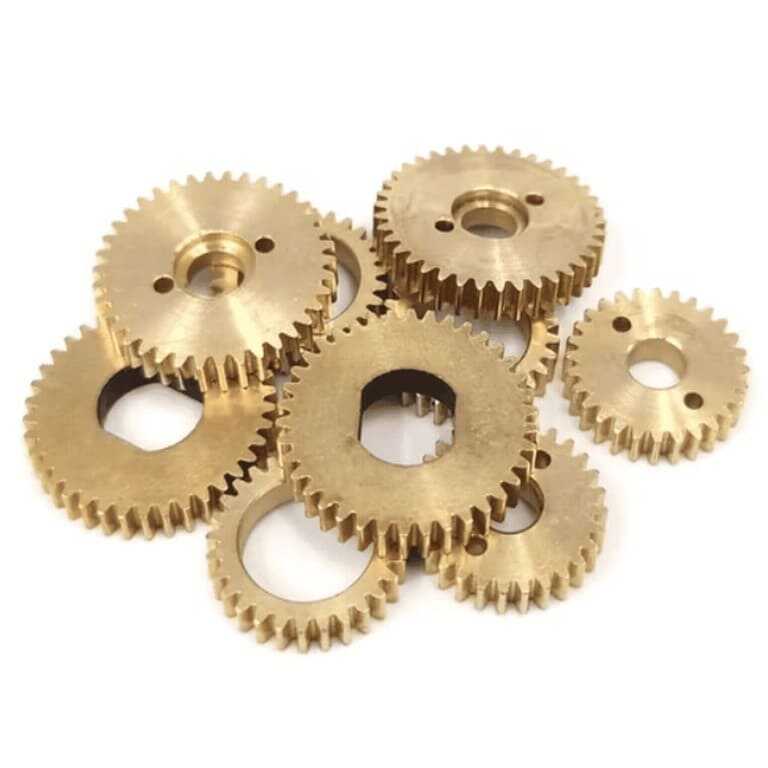
Brass Counter Gears (Burr-Free)
- Target Component:Brass Spur Gear (Module 0.2 – 0.5)
- The Challenge:Brass is a soft material and highly prone to burring; meanwhile, high-volume production demands long tool life.
- Nobeve Solution:K-Series Micro Hob (Ultra-Fine Grade)
- Technical Logic:
- Razor Sharpness:We select Konrad Friedrichs 0.2µm ultra-fine grain carbide This ultra-fine grain size allows us to grind the cutting edges to be as sharp as a scalpel (edge radius < 2µm). This extreme sharpness instantly shears through brass fibers, achieving Zero-Burr machining.
- Coating Selection:For brass machining, we typically recommend Uncoated or ultra-thin TiCN coatings to prevent the coating thickness from blunting the cutting edge.
- Applicable Machine:
- Micro Gear Hobber(e.g., Wahli, Affolter, Lambert).
- Req: High spindle speed, Oil coolant for chip flushing.
Micro Worm Gears (High Precision)
- Target Component:Worm Wheel for Indicators
- The Challenge: Extremely small module (M0.15); traditional bore-type hobs exhibit significant runout, which compromises transmission precision.
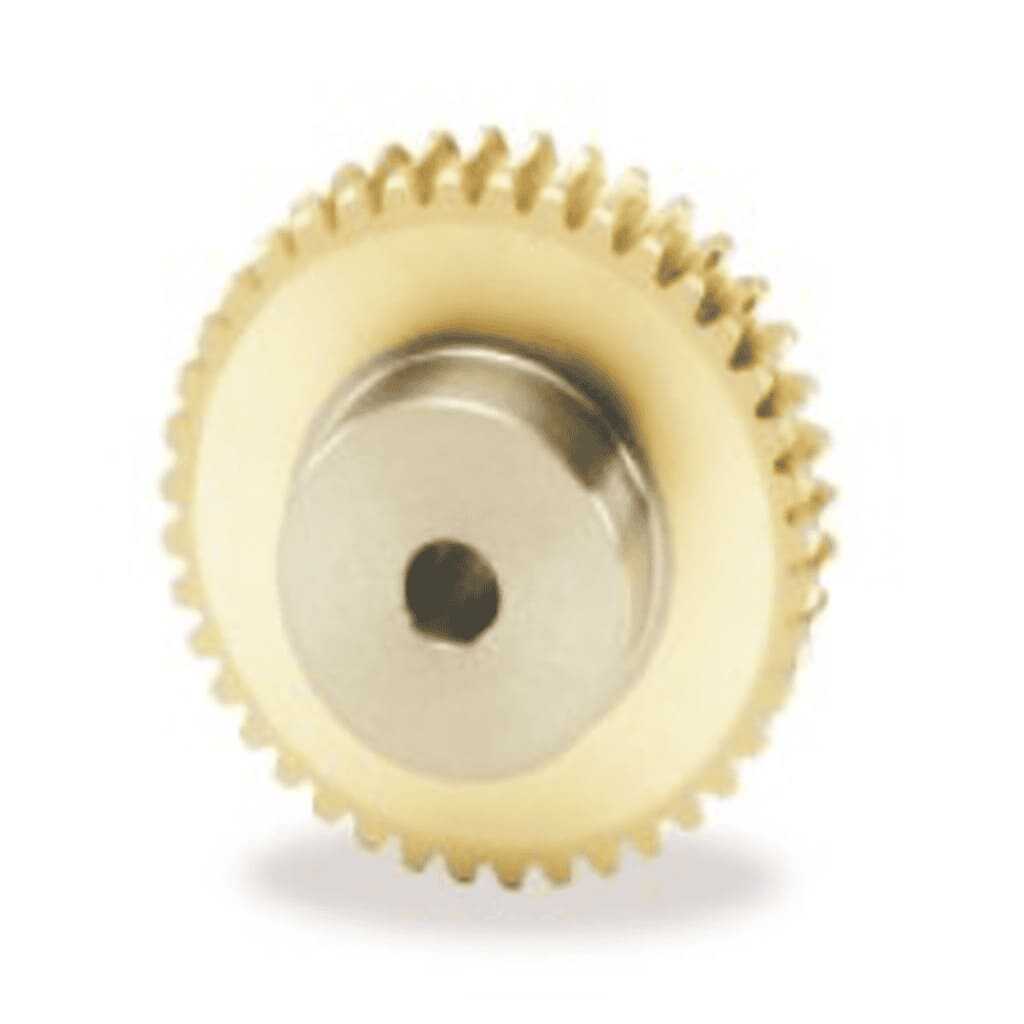
- Nobeve Solution:K-Series Solid Shank Hob
- Technical Logic:
- Runout Elimination: For micro-gears below $M0.5$, we provide a Solid Shank (integrated shank) design. The hob and the shank are ground as a single piece, eliminating the installation clearance found in bore-type hobs. This controls the Total Indicator Runout (TIR) of the tool to within 0.002mm, ensuring absolute pitch uniformity for micro-gears and worm wheels.
- Applicable Machine:
- Swiss-Type Lathe with Hobbing Attachment(e.g., Star, Citizen).
- Req: Synchronized live tool holder.


Internal Timing Gears (Micro Skiving)
- Target Component:Micro Internal Ring Gear (Brass/Steel)
The Challenge:Internal gear diameters are small (<10mm); gear shaping efficiency is low and surface finish is poor.
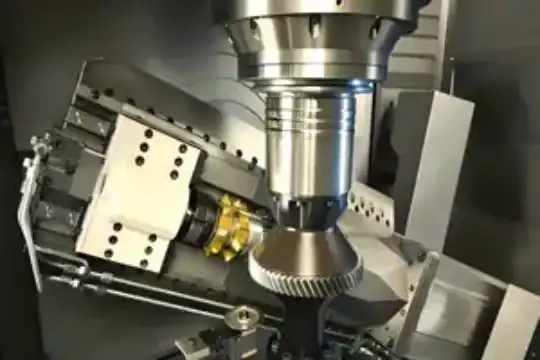
- Nobeve Solution:W-Series Solid Carbide Skiving Cutter
- Technical Logic:
- Edge Retention:Although brass has low hardness, the machining volume is immense. The high wear resistance of the W-Series carbide ensures that the cutting edge remains sharp even after machining tens of thousands of parts.
- Rigidity:When machining micro-internal bores, the high rigidity of the W-Series prevents tool deflection (push-off), ensuring the cylindricity of the internal teeth.
- Recommend:HRC ≤ 50
- Applicable Machine:
- Micro Skiving Center / Swiss Lathe.
- Req: High RPM synchronization.
Tool Selection Table
| Application | Material Hardness | Recommended Tool | Key Benefit | Machine Required |
| Brass Counters | Hard | K-Series Hobs | Razor Sharp / Burr-Free | Micro Hobber |
| Precision Worms | Hard | K-Series Hobs | Zero Runout (<2µm) | Swiss Lathe / Hobber |
| Micro Internal | Soft | W-Series Skiving | High Efficiency & Finish | Swiss Lathe / Skiving |
| Standard Gears | Soft | N-Series Hobs | Cost Effective | Standard Hobber |

Customer voices
Trusted by Industry Experts Globally
"We produce 50,000 water meter movements per day. Even a microscopic burr can cause a meter to jam and fail calibration. Nobeve's K-Series micro hobs with the ultra-fine substrate solved our burr issues completely. We don't even need a deburring station anymore."
"For our high-precision dial indicators, the transmission smoothness is everything. We switched to Nobeve's Solid Shank hobs (K-Series) on our Wahli machines. The runout is virtually non-existent, giving us the linearity we need."
"Machining micro internal gears for timers was a bottleneck on our shapers. Nobeve's W-Series Skiving cutter on our Star Swiss lathe reduced cycle time. The surface finish is mirror-like."
Expert Technical FAQ
A
It’s all about Edge Sharpness. Standard carbide (0.8µm grain) creates a jagged edge at the microscopic level, which tears the soft brass. Nobeve K-Series uses 0.2µm Ultra-Fine Carbide. This allows us to grind an edge radius of less than 2µm. It cuts the material cleanly like a scalpel, leaving no burrs behind.
A
For the absolute sharpest edge, we often recommend Uncoated K-Series hobs for brass. Coatings add thickness (2-3µm) and can slightly round the cutting edge. However, for abrasive materials or longer life, a very thin TiCN or TiAlN coating can be applied. We tailor this based on your specific burr tolerance.
A
With bore-type hobs (e.g., 6mm bore), there is always a tiny clearance between the hob and the arbor, leading to runout (eccentricity). For a Module 0.2 gear, even 0.01mm runout is a disaster. Solid Shank Hobs are ground integral with the shank, eliminating assembly error and guaranteeing runout below 0.002mm.
A
Yes. W-Series is excellent for stainless steel (like 304/316L) as long as it is in the soft condition (Annealed, HRC < 30). The high rigidity of the solid carbide prevents the tool from deflecting on small diameter parts. However, high-pressure oil coolant is mandatory to prevent work hardening.
A
We routinely manufacture K-Series hobs down to Module 0.1. For skiving cutters (W-Series), the practical limit is around Module 0.2 due to the fragility of the tool teeth. We use specialized grinding machines to ensure profile accuracy even at these microscopic scales.
A
You need a machine capable of Synchronized Rotation at high speeds. Many modern Swiss-Type Lathes (Citizen, Star, Tsugami) have “Gear Skiving” or “Hobbing” options. These are perfect for producing micro gears in a single setup. Our tools are compatible with standard Swiss tool holders.
A
While we supply the tools, we advise that Oil Coolant is essential during cutting to flush away micro-chips. If chips are re-cut, they mar the surface. A low-viscosity cutting oil helps evacuate chips from the fine teeth of the hob and the gear, ensuring a clean surface finish.
A
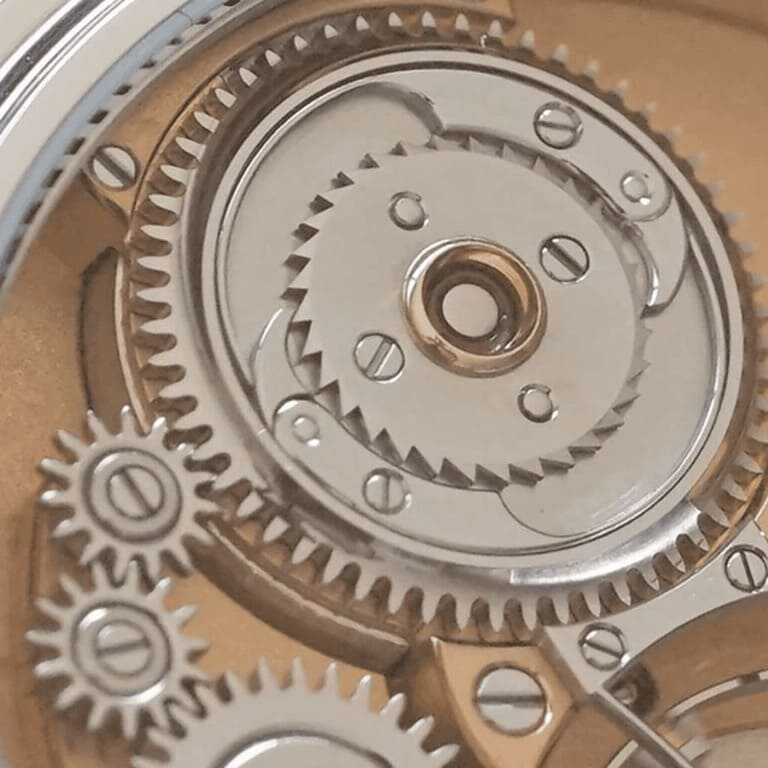
Yes. Instruments and watches often use Cycloidal (Epicyclic) profiles for lower friction. We can grind K-Series hobs to any custom profile. You simply provide the DXF geometry or the gear parameters, and we engineer the hob to generate that exact shape.
Blog
Latest News
esse nusquam. Eam iriure diceret oporteat.
Ready to Optimise Your Production?
Send us your gear drawing.Our engineers will recommend the exact Series and parameters(Speed/Feed)for your specific machine