
When engineering teams face a new gear production challenge, one of the first decisions is choosing the right cutting method. Gear hobbing and power skiving are two of the most widely used processes in modern gear manufacturing - yet the differences between them are often misunderstood.
In this post, we'll break down the cutting principles, advantages, limitations, and application scenarios of both methods. Whether you're a manufacturing engineer, a gear designer, or a production manager, you'll walk away with a clear understanding of when to choose which process.
If you're looking for the right gear cutting tools to implement either method, Nobeve offers a comprehensive range of precision hobs and skiving cutters designed for industrial-grade performance.
How Gear Hobbing Works: The Gold Standard for External Gears
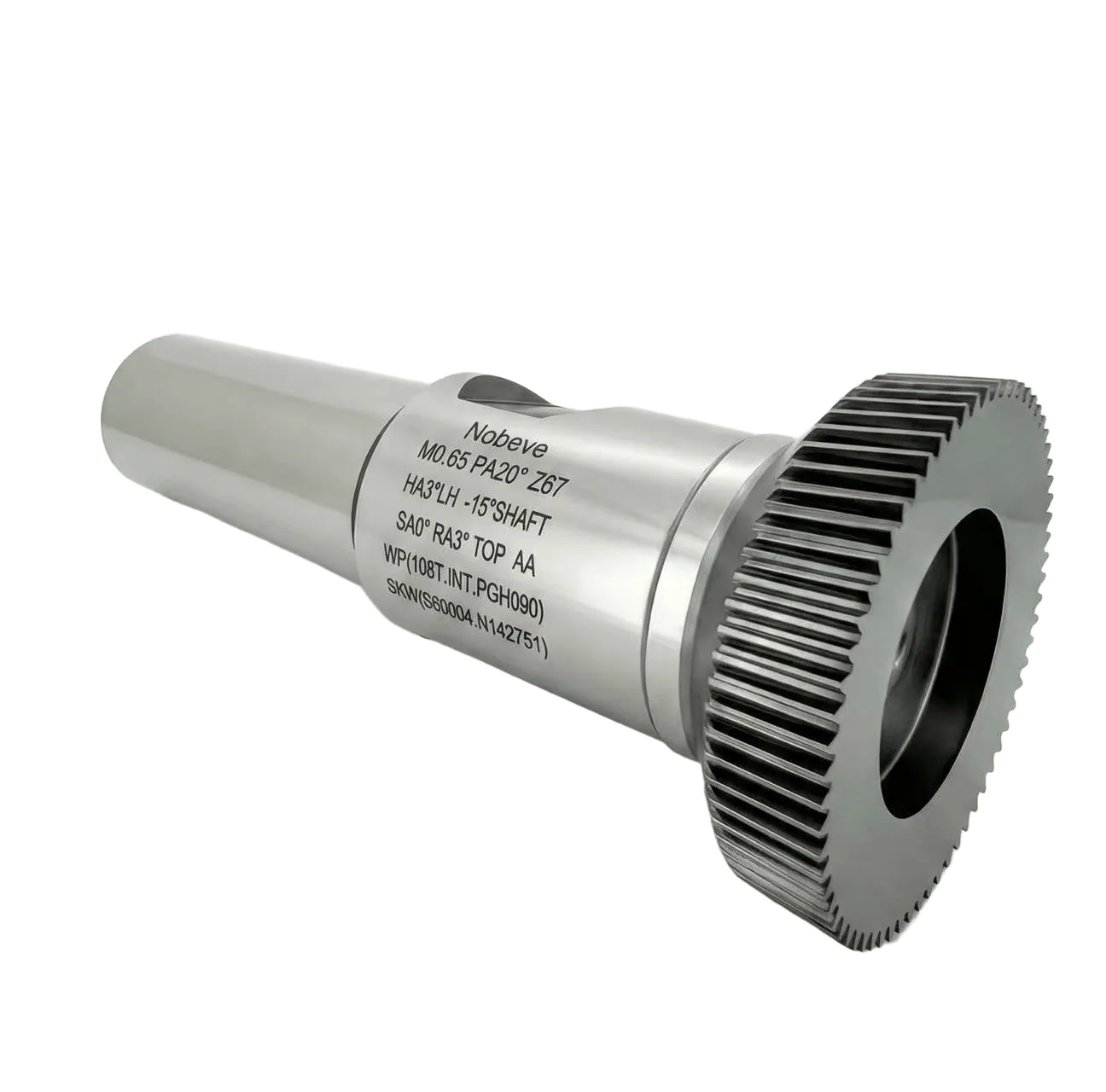
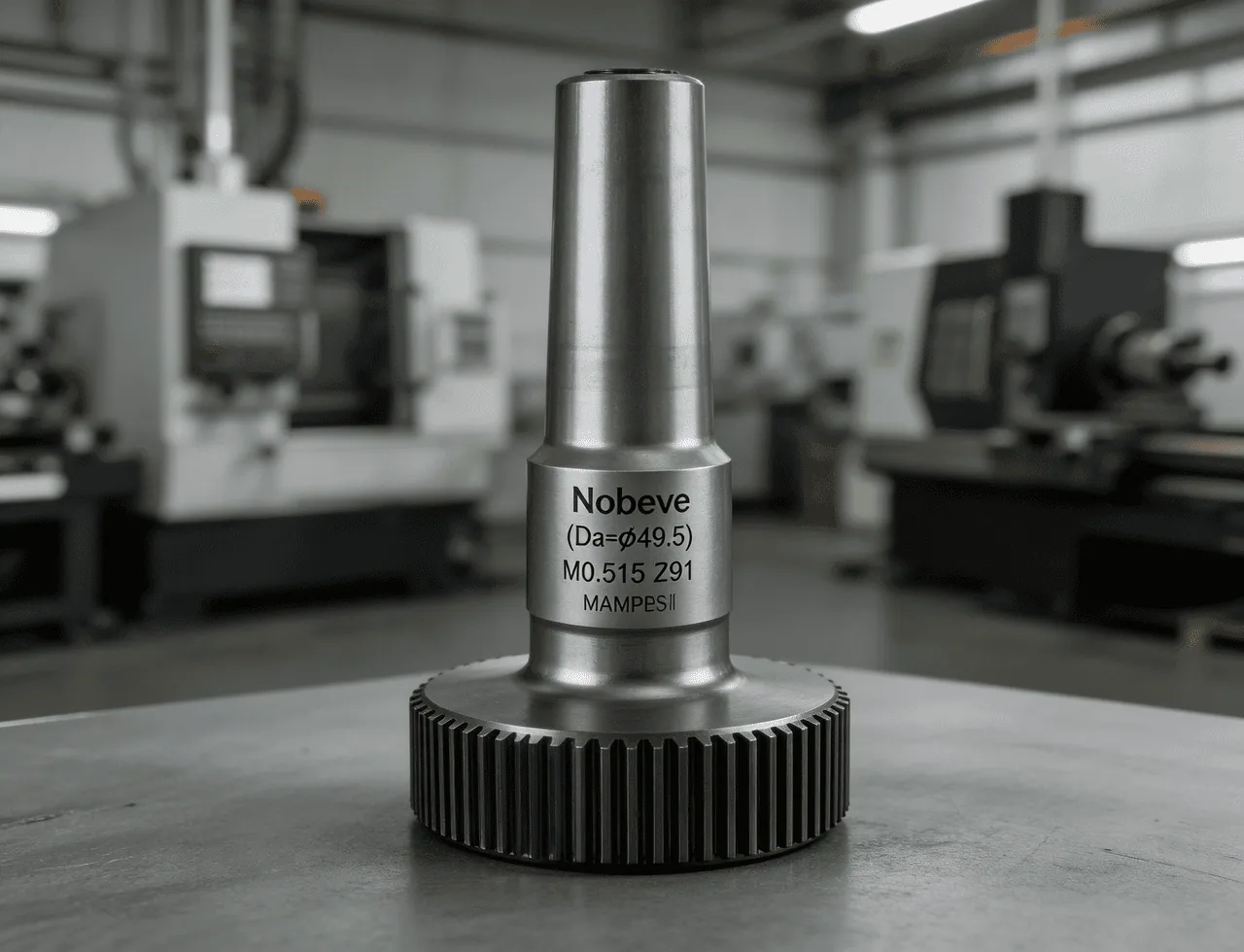
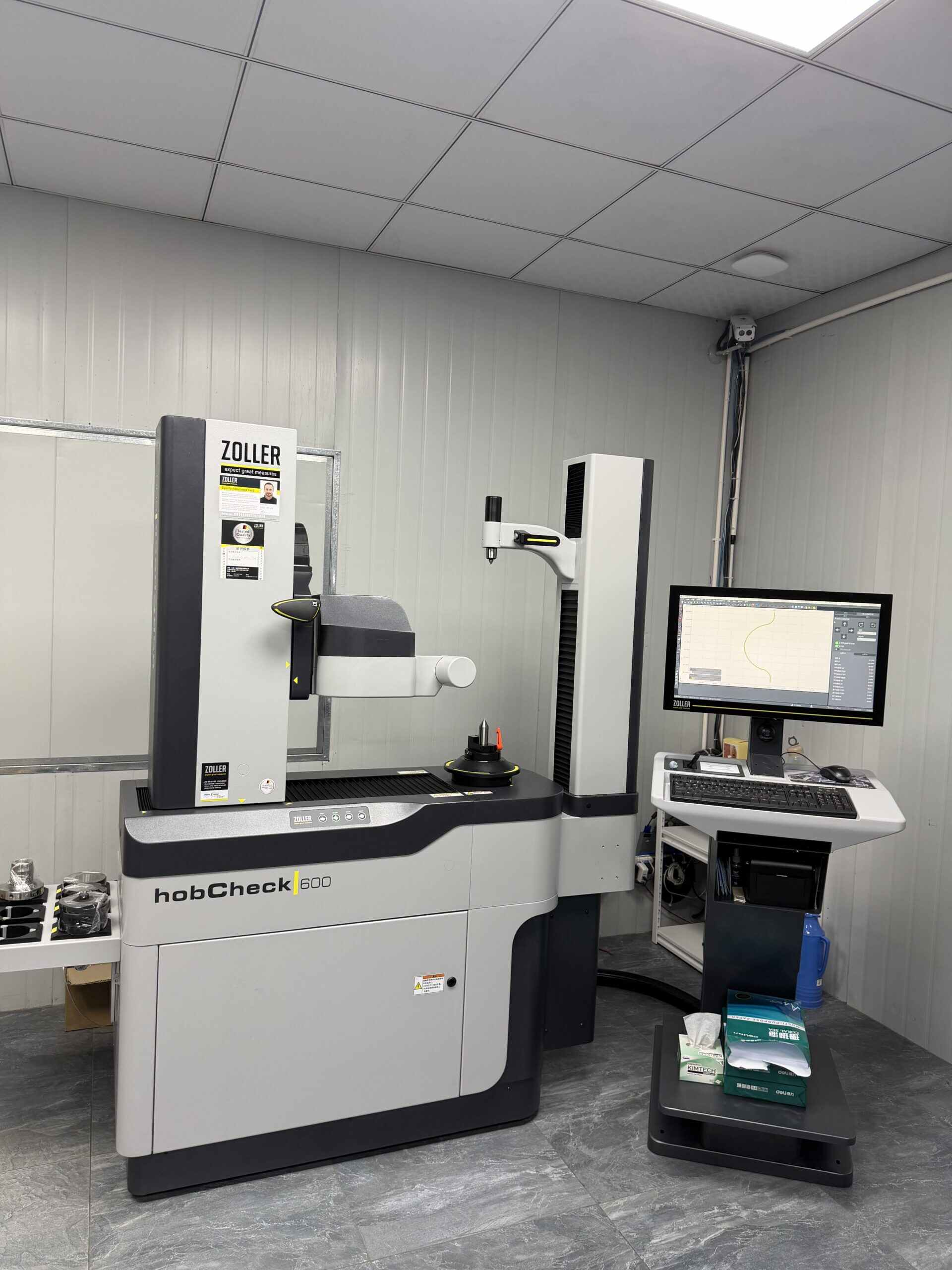
Gear hobbing is a continuous generating process where a hob (a cylindrical cutting tool with gear-like teeth) rotates while engaging with the workpiece gear. As the hob advances, each tooth of the hob generates successive teeth on the workpiece in a systematic, predictable pattern.
The key characteristics of gear hobbing:
- Continuous cutting action: The hob engages the workpiece without interruption, enabling high material removal rates
- Versatility: A single hob can produce gears with different numbers of teeth by simply adjusting the ratio between the hob spindle and workpiece spindle
- Mature technology: Hobbing machines and processes are widely available, with well-established best practices
- Module range: Suitable for modules from 0.5 to 40+ mm, covering everything from fine-pitch instrument gears to massive industrial gears
Nobeve's K-Series high-speed dry-cutting hobs are designed to operate at cutting speeds of 150-300 m/min, significantly outperforming conventional wet-cutting setups in terms of productivity and environmental compliance.
Limitations of Gear Hobbing
Despite its versatility, gear hobbing has some inherent limitations:
- Accessibility constraints: Hobbing is primarily effective for external gears and some types of internal gears with sufficient clearance
- Setup complexity: Achieving high accuracy requires precise alignment of the hob axis, workpiece axis, and feed direction
- Tool cost: High-quality gear hobs - especially those with advanced BALINIT ALCRONA PRO coating - represent a significant investment
Power Skiving: Speed and Flexibility for Complex Geometries
Power skiving is a relatively newer gear manufacturing process that combines elements of gear cutting and milling. The skiving cutter - essentially a rotating cutting tool with multiple cutting edges - moves simultaneously with the workpiece, generating gear teeth through an interrupted cutting action.
What makes power skiving stand out:
- Unmatched speed: Cycle times can be 5-10x faster than gear hobbing for certain applications, particularly internal gears
- Access to blind cavities: Skiving can machine internal gears that are virtually impossible to produce by hobbing
- Reduced工序: In many cases, skiving eliminates the need for a separate pre-machining operation
- Compact setup: Skiving can often be performed on standard turning centers or multi-task machines, reducing capital investment
Nobeve's W-Series solid carbide power skiving cutters achieve cutting speeds of 120-300 m/min, making them ideal for high-volume automotive transmission production. For softer materials, P-Series PM HSS skiving tools offer an excellent balance of cost and performance at 60-150 m/min.
When Skiving Struggles
- Very large module gears where chip evacuation becomes challenging
- Highly hardened materials above HRC 50 without specialized tooling
- Applications requiring extremely tight surface finish specifications
Head-to-Head: Hobbing vs. Skiving by Application
Rather than declaring one process universally superior, let's examine where each excels:
| Criteria | Gear Hobbing | Power Skiving |
|---|---|---|
| Typical cycle time | Longer per part | 5-10x faster (internal gears) |
| Module range | 0.5 - 40+ mm | 1.0 - 12 mm (typical) |
| Workpiece hardness | Up to HRC 62 (with G-Series hard-cutting hobs) | Up to HRC 50 (W-Series) |
| Internal gears | Limited by clearance | Excellent capability |
| Machine requirement | Dedicated hobbing machine preferred | Turning center or CNC hobbing machine with live tooling |
| Tool life | High in soft cutting; moderate in hard cutting | Excellent with solid carbide |
| Setup complexity | Moderate to high | Moderate |
Frequently Asked Questions
Can I use the same machine for both hobbing and skiving?
Modern CNC gear hobbing machines with live tooling capabilities can often perform both operations. However, dedicated skiving machines offer optimized kinematics and higher rigidity for the skiving process. For low-to-medium volume production, a multi-task turning center with C-axis control may be sufficient for skiving.
Which process produces more accurate gears?
Both processes can achieve AGMA quality levels 8-11 (corresponding to ISO 1328 grades 5-8) when properly set up. Gear hobbing has a longer history of achieving the highest precision levels due to more established process knowledge and machine tool rigidity. That said, with modern CNC equipment and Nobeve's precision-ground tools, power skiving can meet most automotive transmission accuracy requirements.
Is dry cutting possible with both methods?
Yes - Nobeve's K-Series dry-cutting hobs are specifically designed for dry (MQL) gear hobbing, eliminating coolant costs and environmental concerns. Dry skiving is also achievable with the right tooling and parameters, though chip evacuation requires more careful attention.
Which method is more cost-effective for high-volume production?
For external gears in high-volume automotive production, power skiving often wins on total part cost due to dramatically shorter cycle times. For smaller batches or very large gears, gear hobbing's higher productivity per setup hour typically makes more economic sense.
Conclusion: Choosing the Right Process for Your Gear Production
The choice between gear hobbing and power skiving ultimately depends on your specific application: the gear geometry, module, hardness, volume, and available equipment.
Choose gear hobbing when: You need to produce large-module external gears, operate with traditional hobbing equipment, or require the highest achievable precision levels.
Choose power skiving when: You're manufacturing internal gears, prioritizing cycle time in high-volume production, or working with multi-task machining cells.
Nobeve supports both processes with a comprehensive product portfolio - from the K-Series for high-speed dry hobbing to the W-Series solid carbide skiving cutters for demanding production environments.
Not sure which solution fits your application? Contact Nobeve's technical team for a detailed consultation tailored to your specific gear manufacturing requirements.