
Hob chatter marks killing your gear quality? Premature tool wear eating into margins? This practical guide diagnoses and solves 5 common gear machining problems — from chatter and wear to chip evacuation and skiving exit burrs — with actionable fixes from Nobeve experts.
Struggling to choose between gear hobbing and power skiving? This expert guide compares cutting principles, speed, accuracy, and application scenarios to help you select the right gear manufacturing process with Nobeve precision tools.
In gear manufacturing, the gap between textbook theory and production floor reality is where most challenges live. This post shares three real-world application scenarios where gear tool selection and process optimization made the difference between meeting and missing production targets.
All scenarios are based on common industry challenges. Company names and specific model references have...
Why Gear Tool Maintenance Is the Hidden Lever Behind Every Profitable Gear Shop
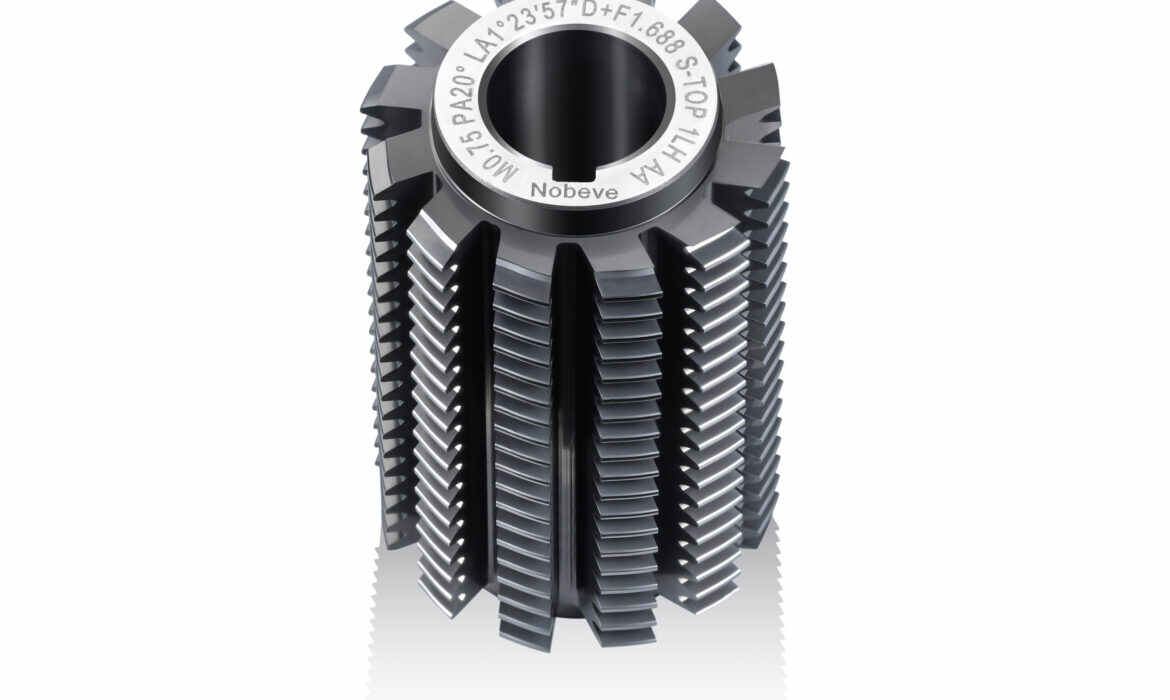
Picture this: a production shift ends, the gear hobs come off the machine, and they get tossed into a drawer “for later.” Three weeks later, someone grabs one for a rush job – and the first part surfaces with a chatter mark you can’t explain. The hob is fine, the machine is fine. The problem...
Why Gear Hob Wear Is Costing You More Than You Think You pull the hob off the machine, hold it under the shop light, and see it again — that dull, abraded flank face, maybe a chipped tooth. You’ve been here before. Another tool change, another 20-minute interruption, another conversation with the purchasing team about cost per part. Gear hob wear patterns aren’t random. Flank...
Introduction: When the Finish Tells You Something Is Wrong You pull the part off the hobbing machine, run your finger across the tooth flank, and feel it immediately — that unmistakable washboard texture. Under the profilometer it confirms your suspicion: Ra is two or three times above spec, and the waviness pattern repeats with geometric precision. You are looking at gear hobbing...
You have a non-standard gear to cut. You send an inquiry to a tool supplier. Then silence. Or worse: a vague quote arrives with no drawing, no inspection data, and a lead time of “8–12 weeks, TBD.” You have no idea what you’re buying until it shows up at the dock. This lack of transparency is the #1 complaint manufacturing engineers report when sourcing custom...
You’ve invested in a precision grinding machine. Your gear tolerances are tight. But after grinding, you’re still seeing undercutting at the root, or the grinding wheel is clashing with an adjacent shoulder. Sound familiar? This is one of the most frustrating — and expensive — problems in gear manufacturing. And more often than not, the root cause isn’t the grinder....
The Internal Spline Problem No One Talks About Openly You’ve lined up the machine, checked the tolerances, and confirmed the material specs. Everything looks right on paper. But the moment your standard power skiving cutter hits that internal spline bore — especially one with tight clearance constraints or an unusual helix angle — the tool chatters, the profile drifts, or worse, the...
You’ve finally tracked down a gear hob supplier. You send over the request. And then — silence, a flurry of clarifying emails, or worse, a hob that arrives and doesn’t fit your machine or match your gear drawing. Sound familiar? For engineers and purchasing teams compiling RFQs for custom gear hobs, the most common point of failure is specification ambiguity. Specifically: the...